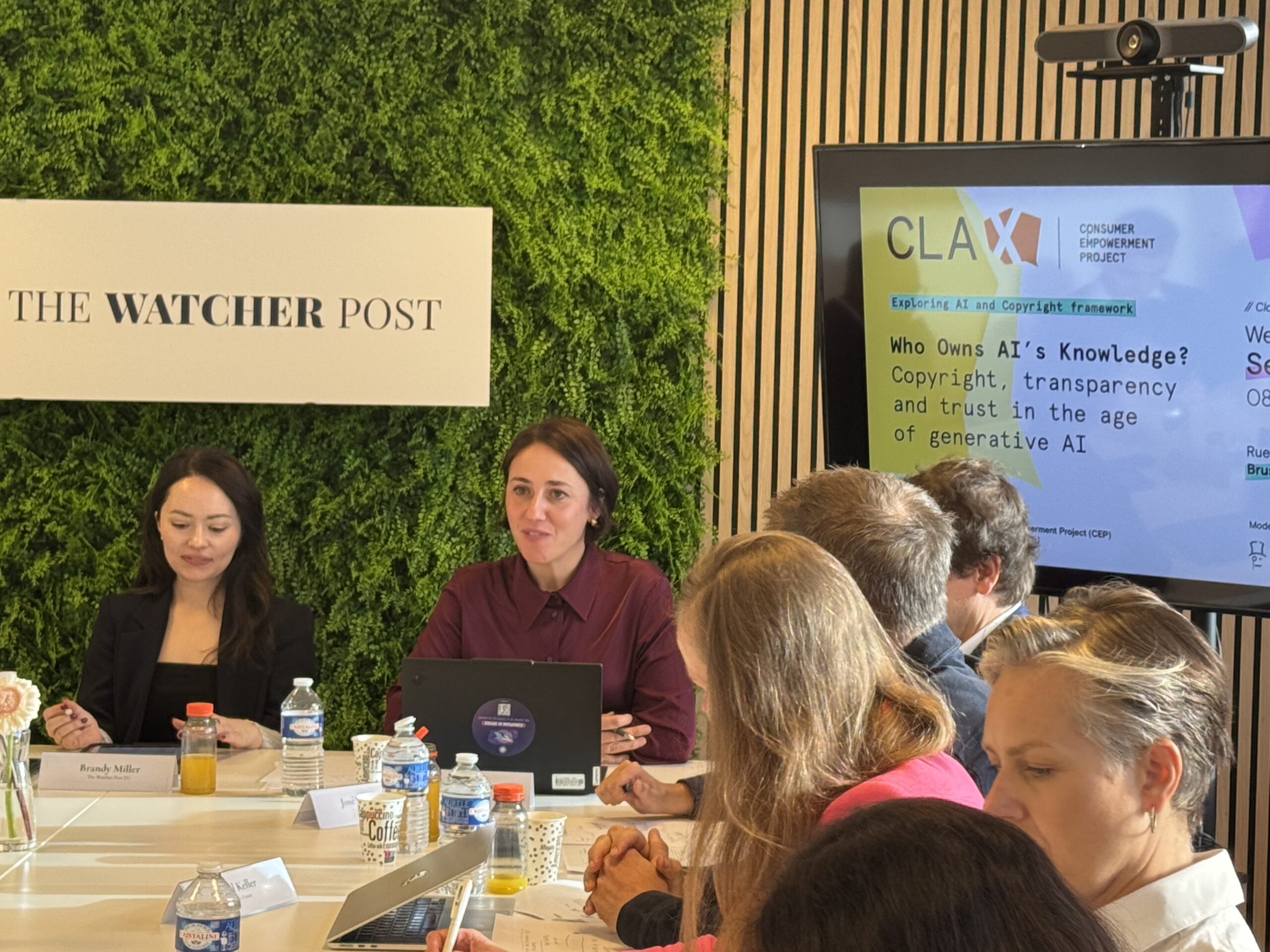
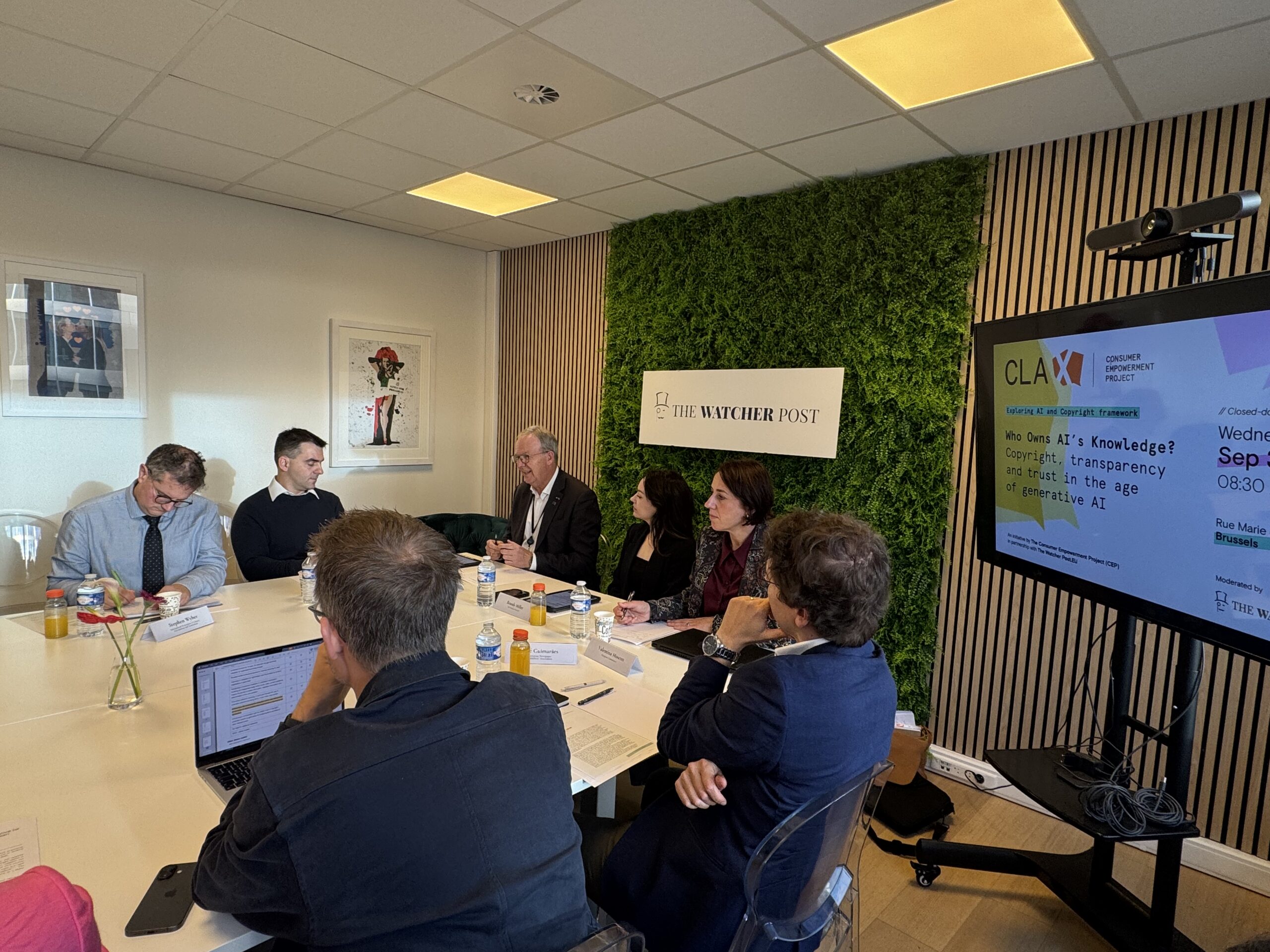
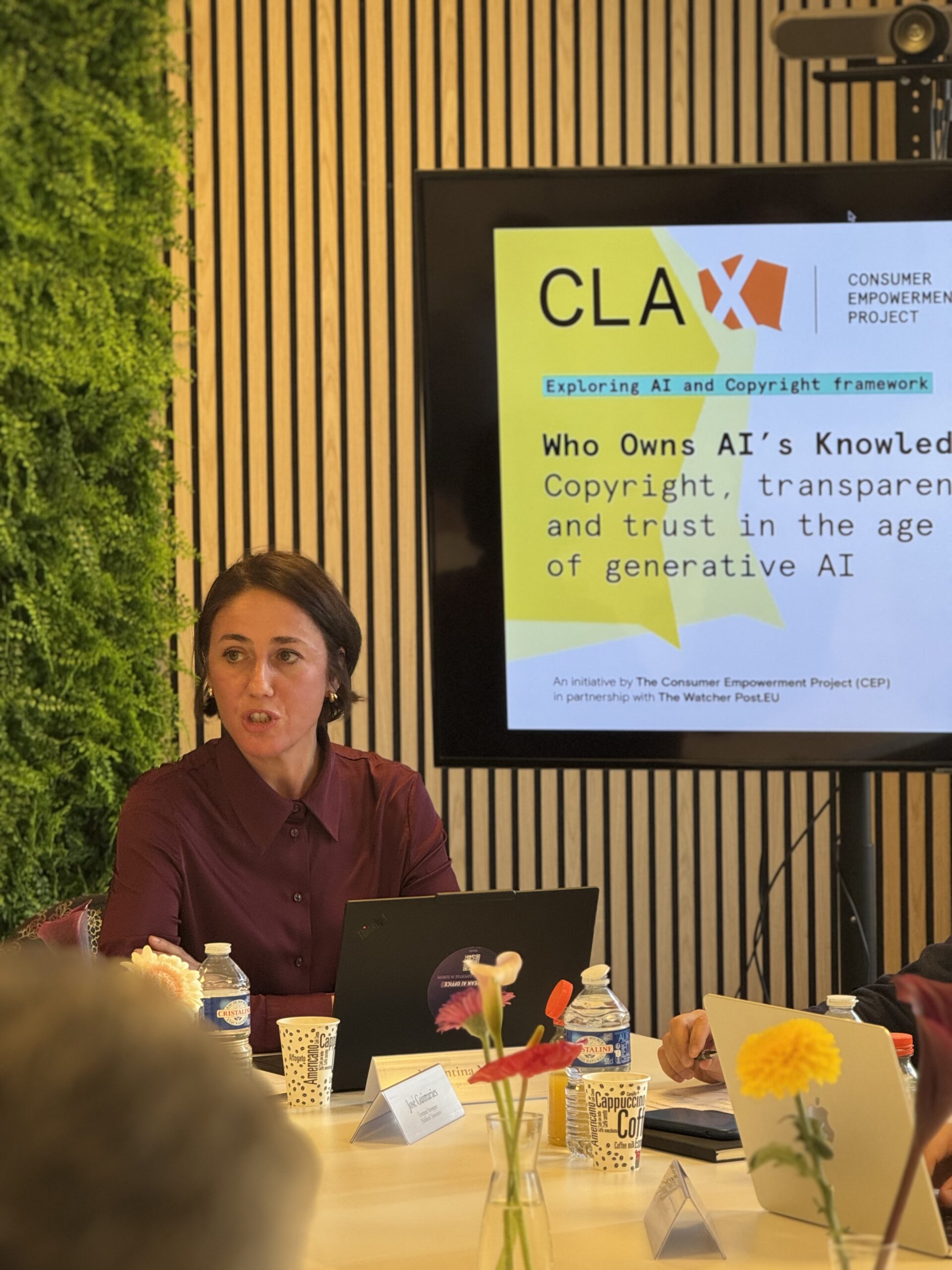
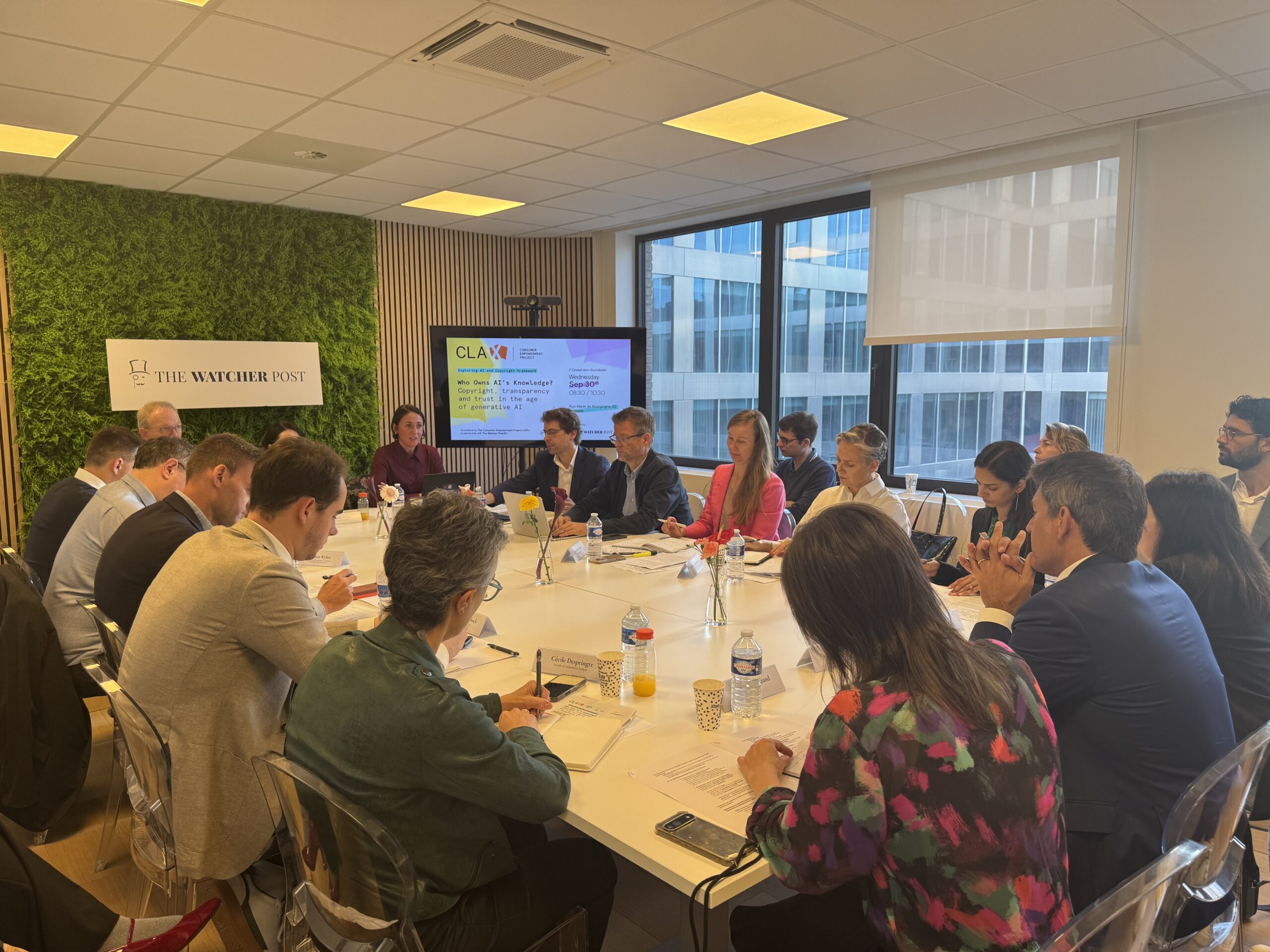
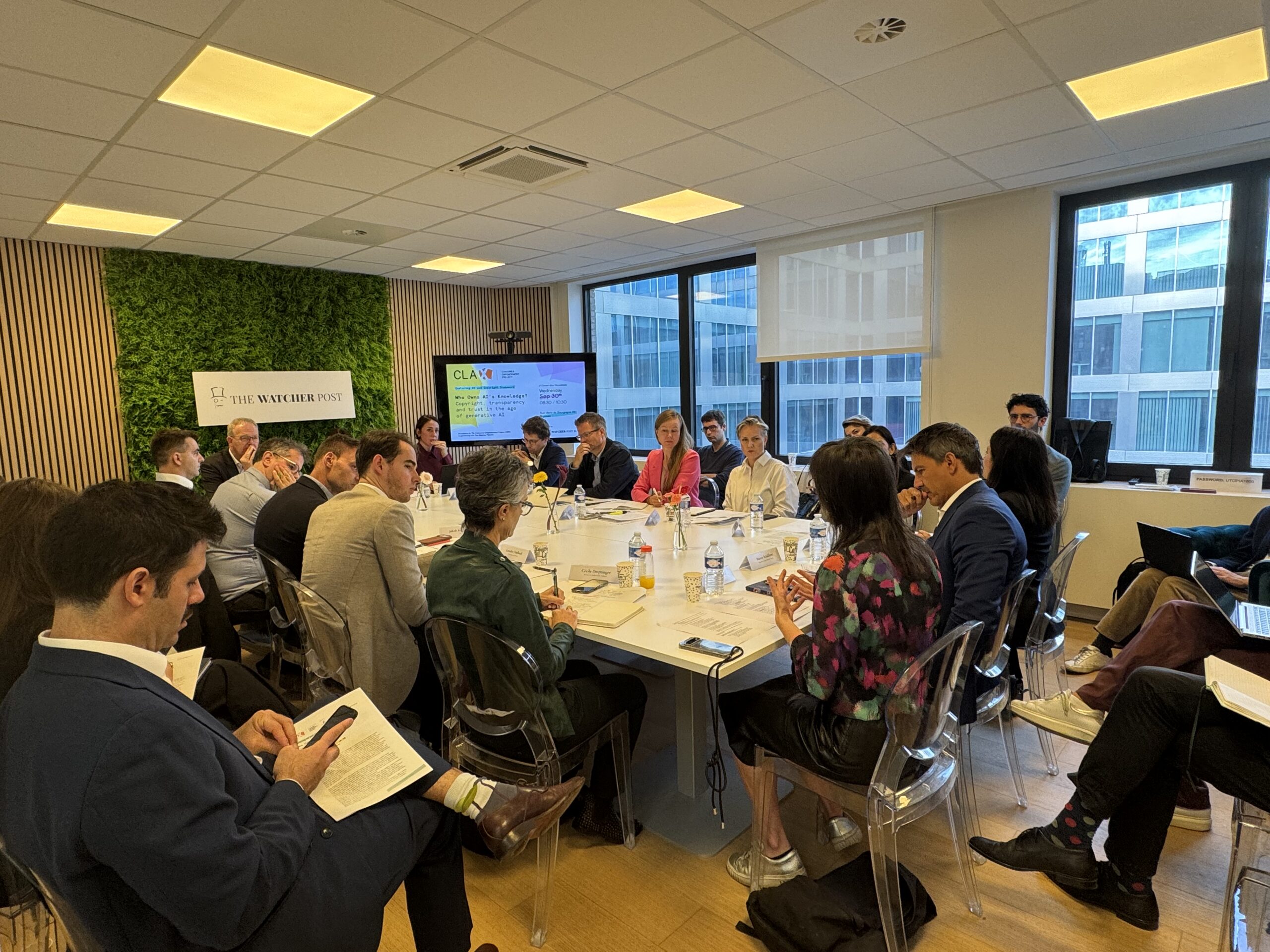
Who Owns AI’s Knowledge? Copyright, transparency and trust in the age of generative AI
As Europe enters a new phase of AI governance, the tension between fostering technological innovation and protecting creative rights has come to a head. Following the EU AI Act, the European Parliament is re-evaluating the intersection of copyright and generative AI, focusing on training-data transparency, rights reservation, and fair remuneration for rightsholders. The resolution of these questions directly impacts consumers—shaping the quality of cultural content, the sustainability of independent journalism, and the reliability of AI tools in daily life. This CLAx roundtable brings together key stakeholders to explore how Europe can build a balanced, transparent, and fair framework for AI and copyright.
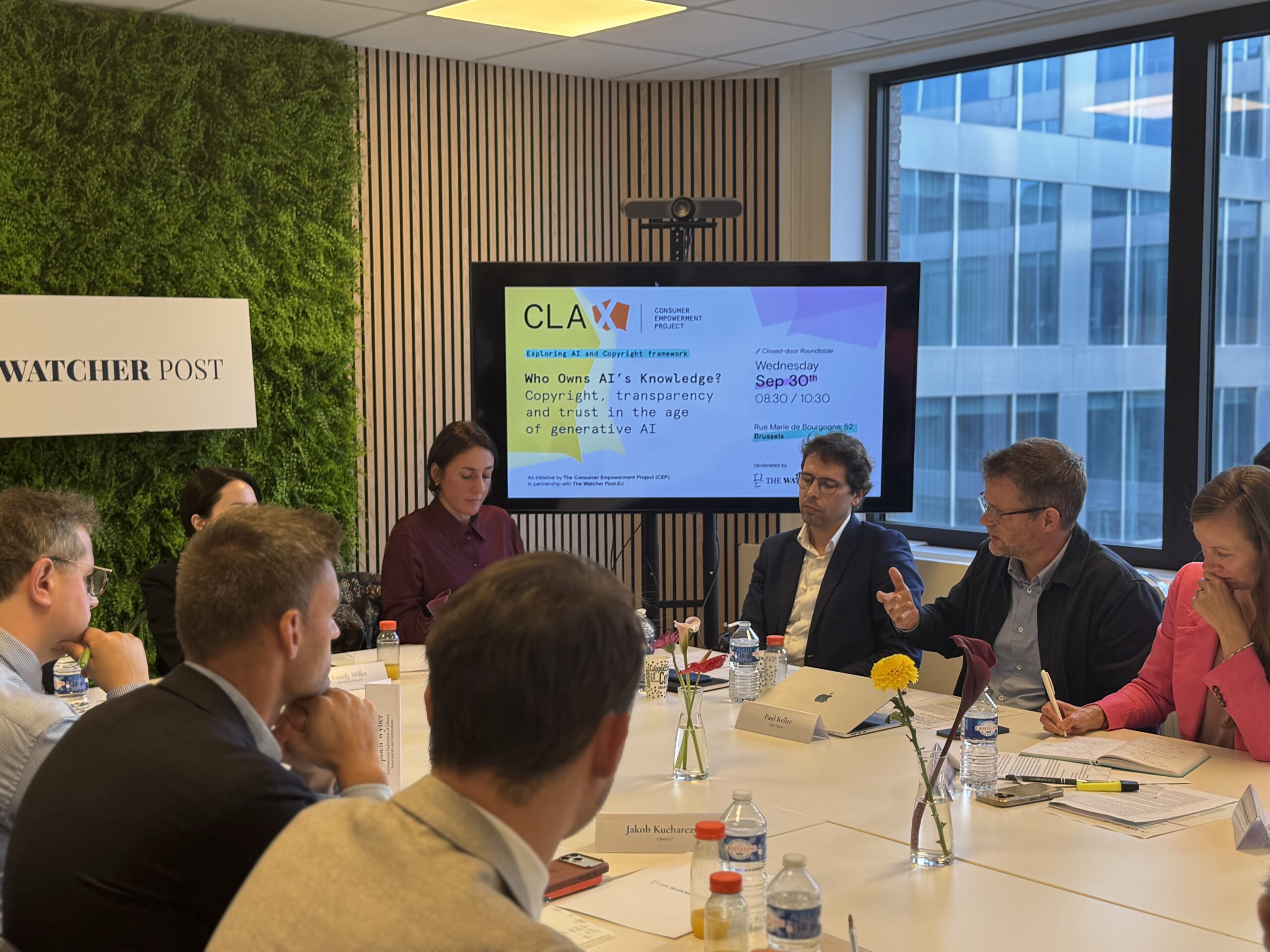
Bruxelles
30 September 2026
Event summary
An initiative in partnership with The Watcher Post EU

Generative AI is facing a major copyright challenge. AI systems are increasingly trained on vast amounts of text, images, music, code, press content, academic material and other creative or knowledge-based works. This has created a new policy tension. On one side, Europe wants to support AI innovation, competitiveness and access to powerful new digital tools. On the other, these systems rely on content produced by authors, journalists, publishers, artists, researchers, developers and open knowledge communities, many of whom are asking for greater transparency, control and fair value-sharing.
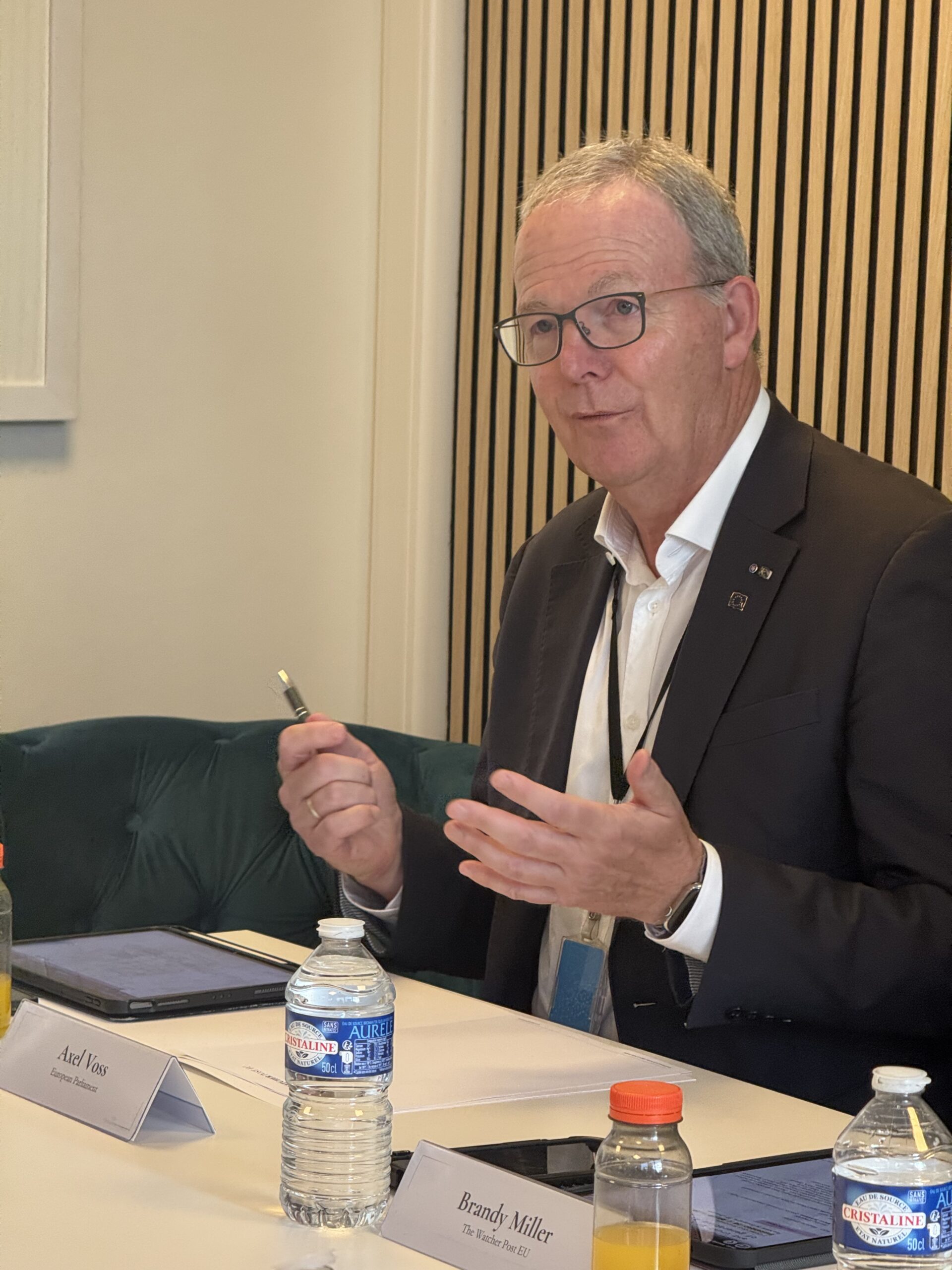
The EU has already started to address this question through the AI Act and the General-Purpose AI Code of Practice. At the same time, the European Parliament has started to look beyond implementation alone. The own-initiative report on “Copyright and generative artificial intelligence, opportunities and challenges”, led by Axel Voss in the JURI Committee, has brought the question of AI and copyright back onto Parliament’s political agenda, with a strong focus on transparency, effective control by right holders and fair remuneration.
How should AI providers document the content used to train their models? What level of transparency is meaningful without becoming unworkable? How can copyright holders reserve their rights effectively? What role should licensing play? How can open knowledge and public-interest datasets remain accessible? And, more fundamentally, is the existing copyright framework sufficient to address generative AI, or will the EU eventually need to reopen the Copyright Directive to clarify the rules on text and data mining, rights reservations, licensing and remuneration?
Consumers are not passive observers in this debate. They are readers, viewers, listeners, students, creators, subscribers and daily users of digital services. They are also increasingly using AI tools to search, learn, write, create, compare and make decisions. The way Europe settles the AI and copyright question will shape the information environment consumers rely on. It will influence the diversity and quality of cultural content, the sustainability of journalism and publishing, the reliability of AI-generated information, and the trust users can place in digital services.
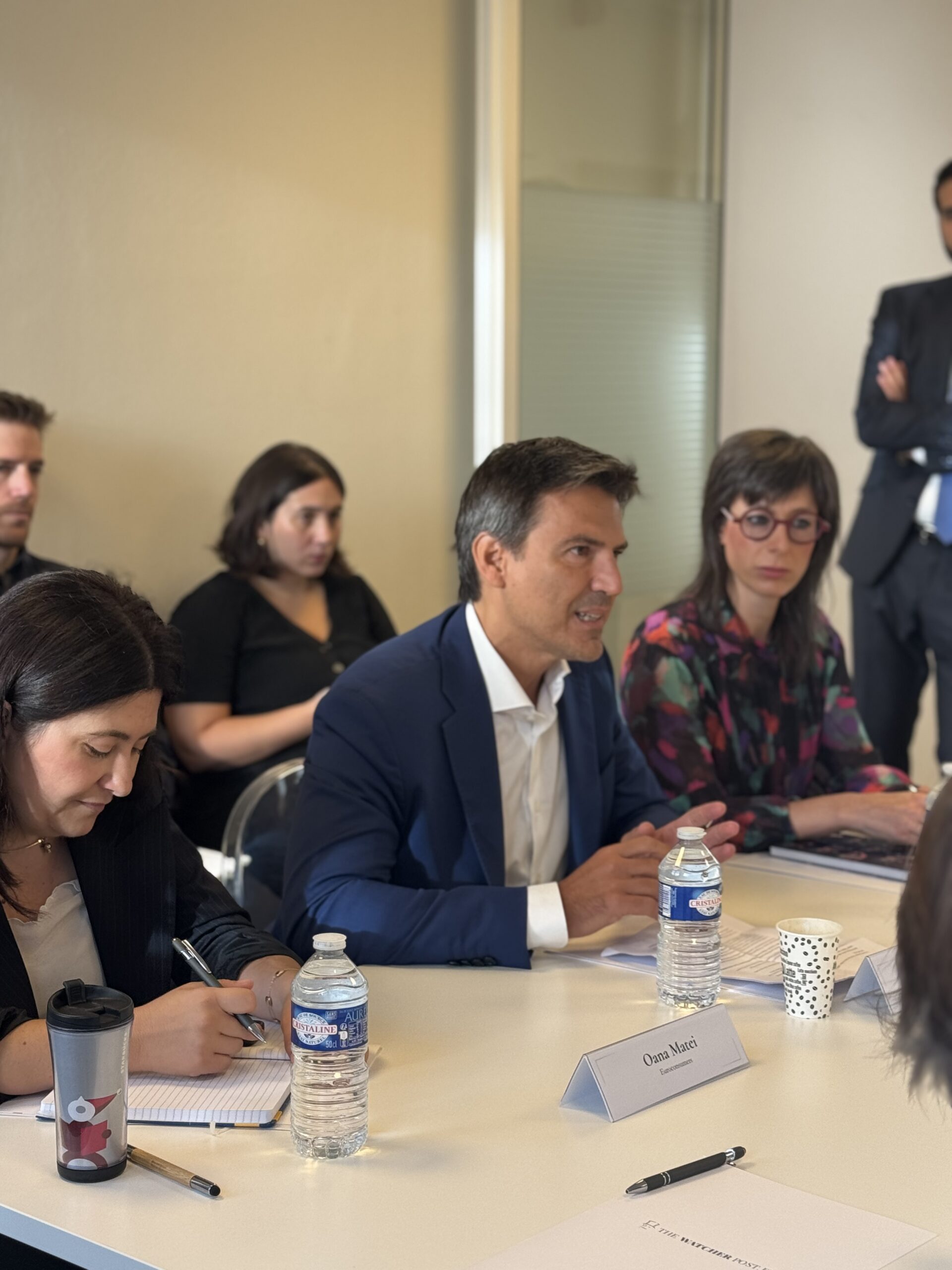
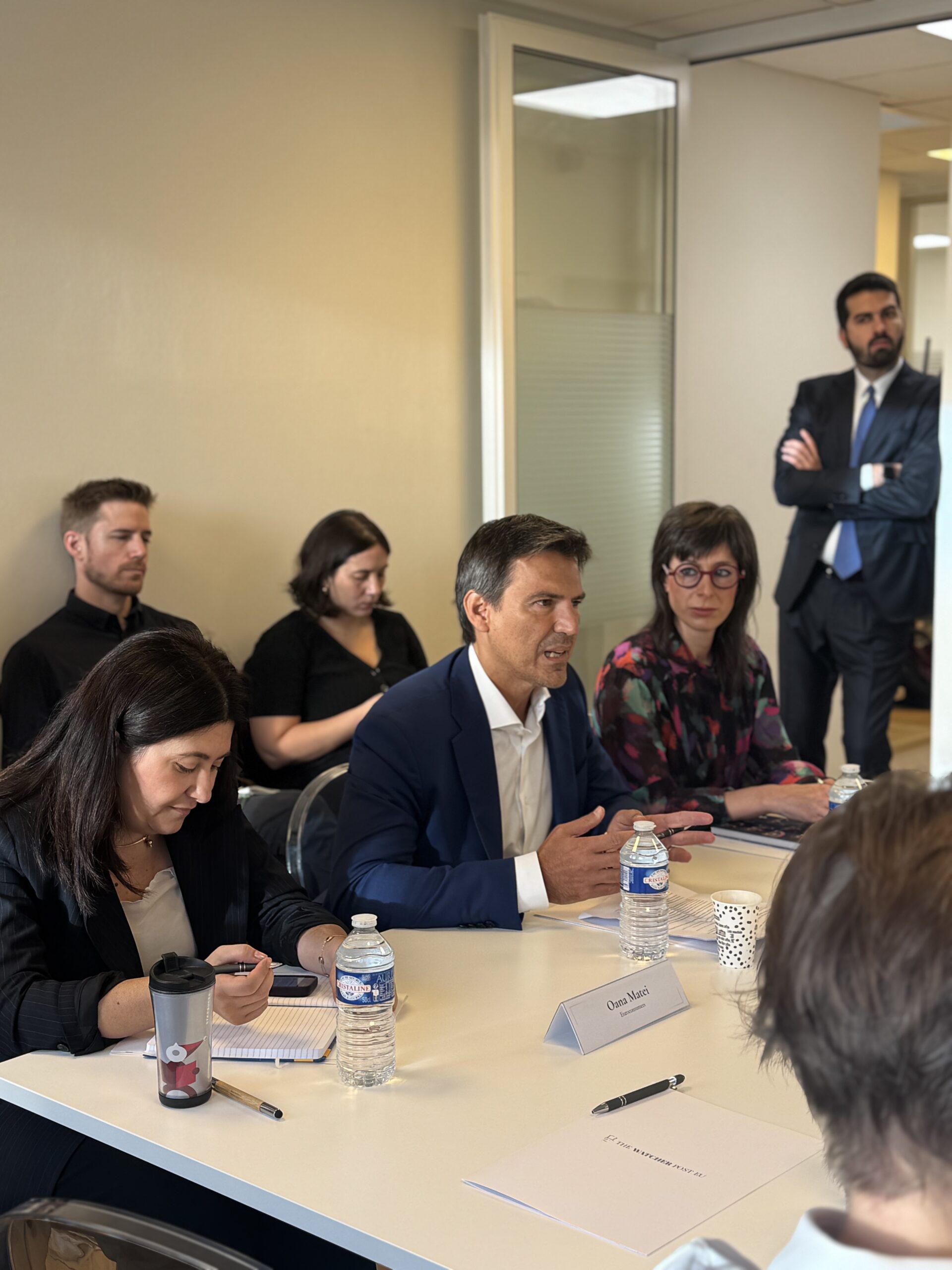
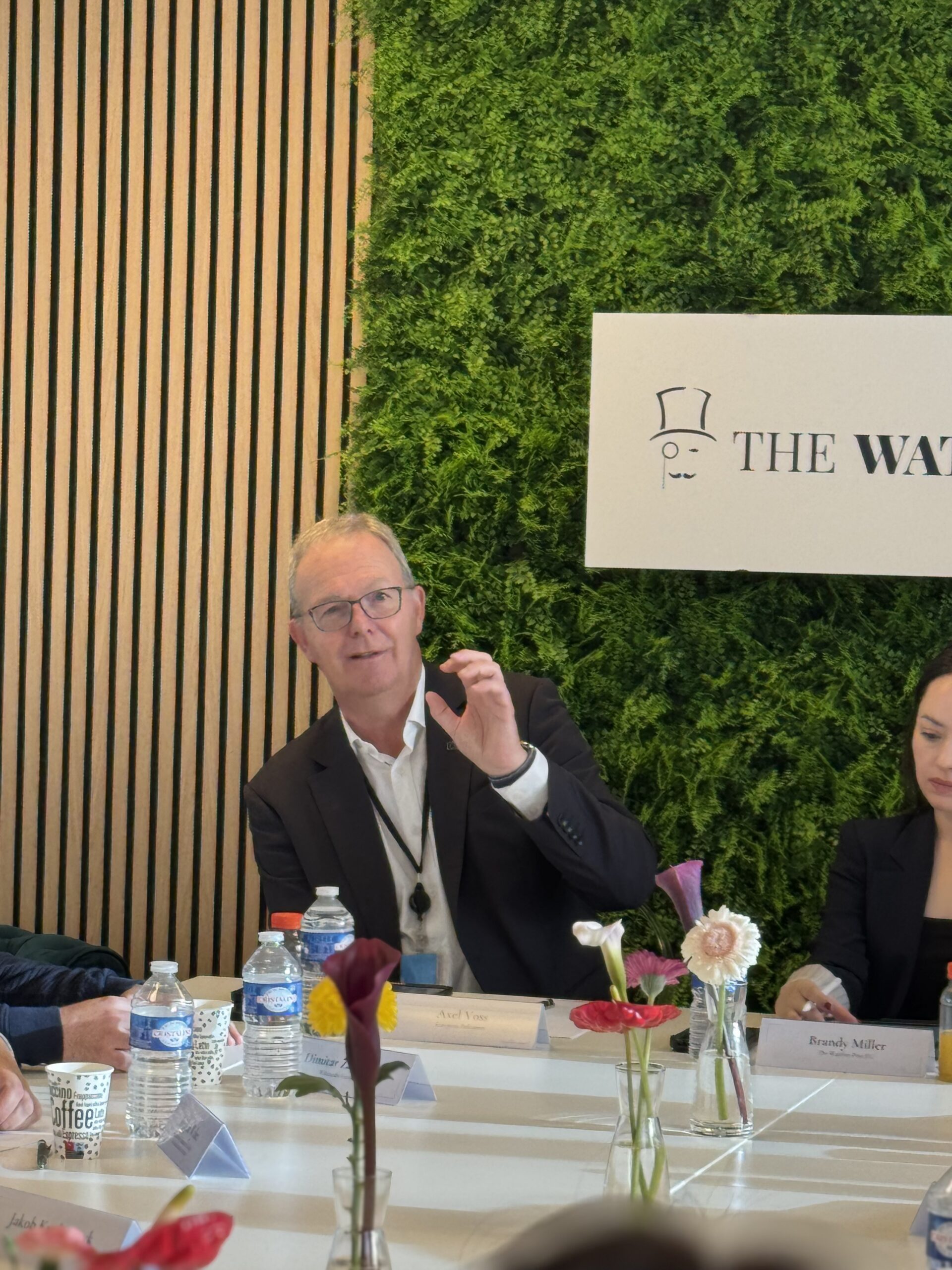
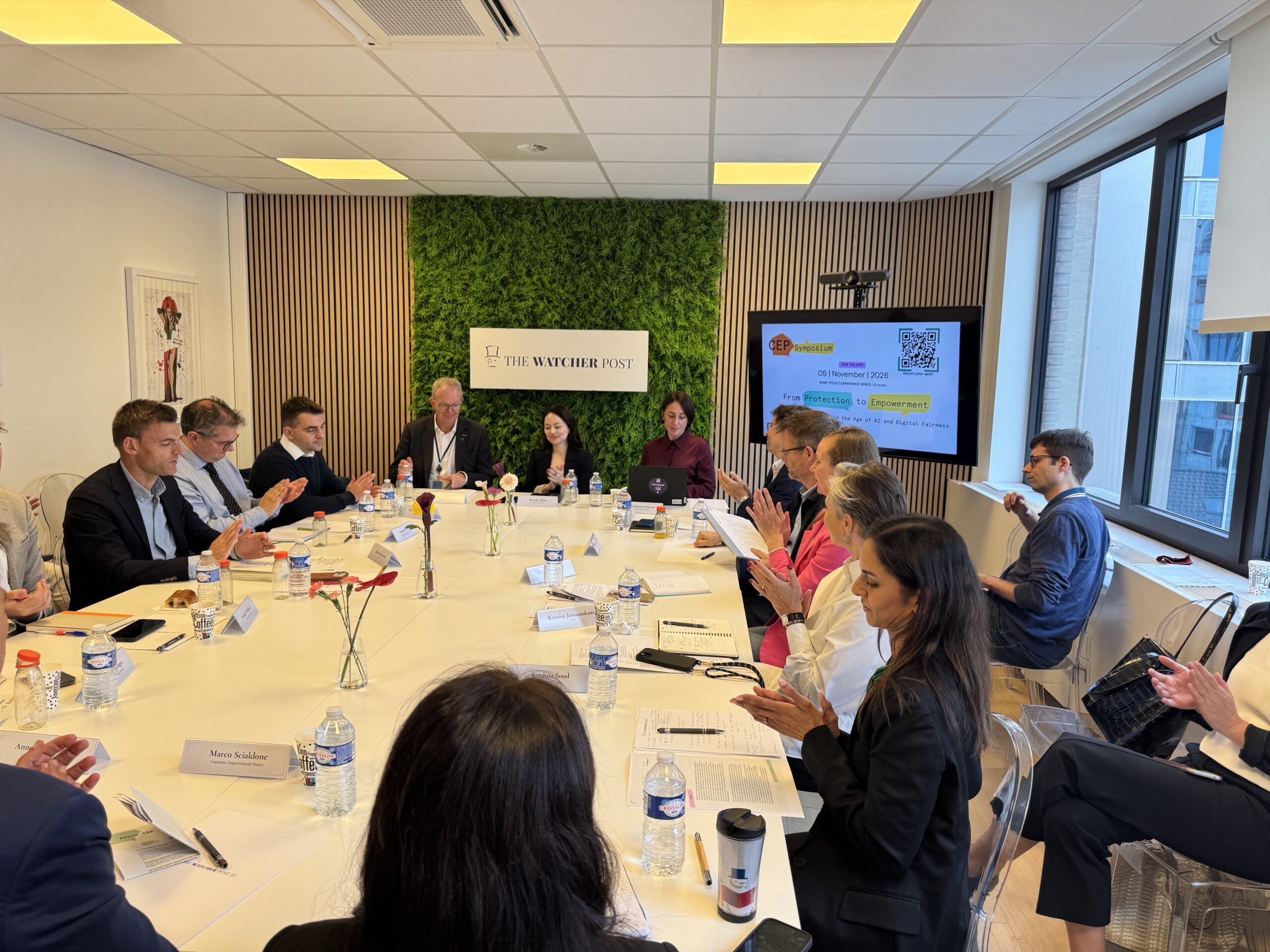
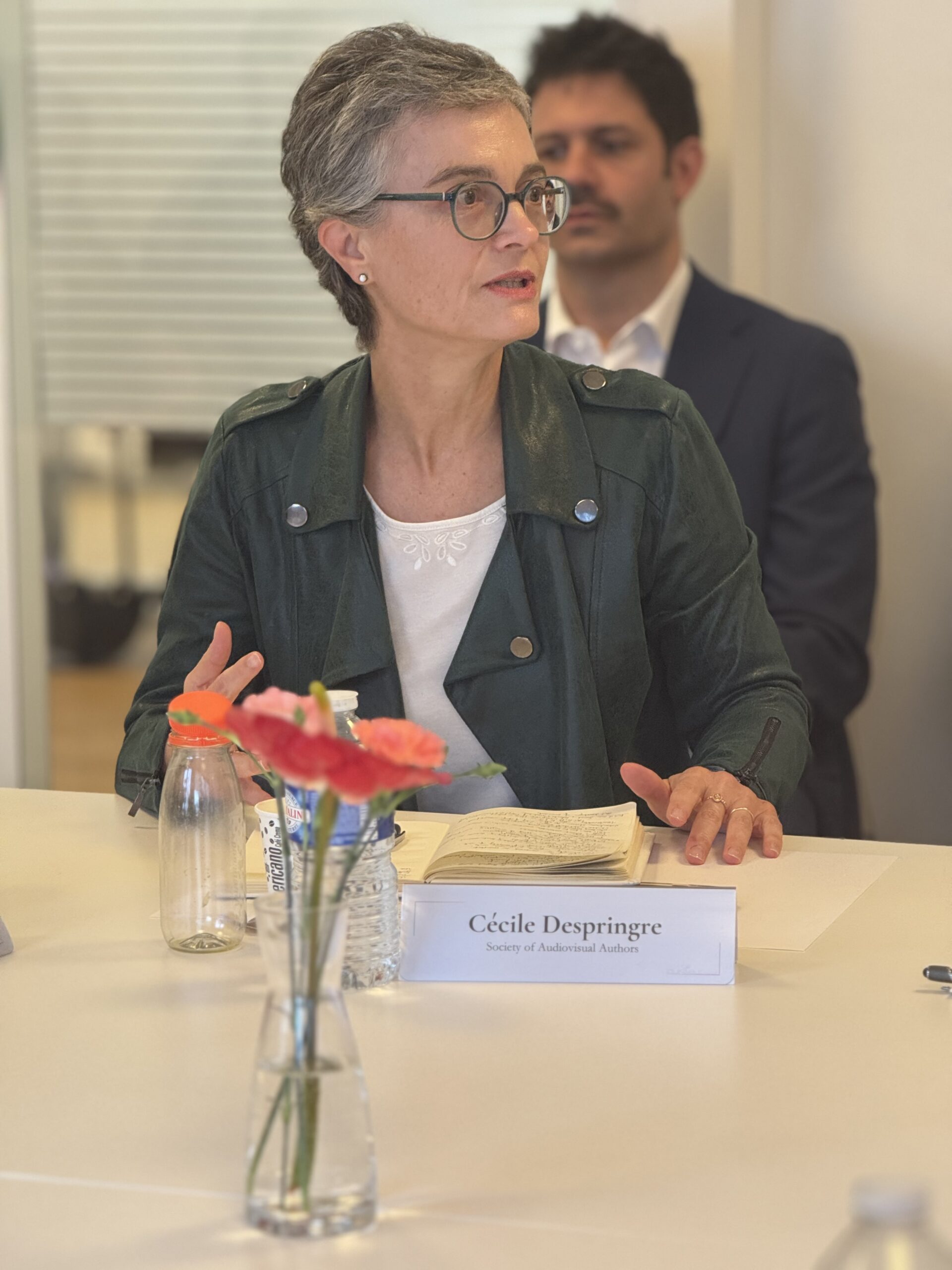
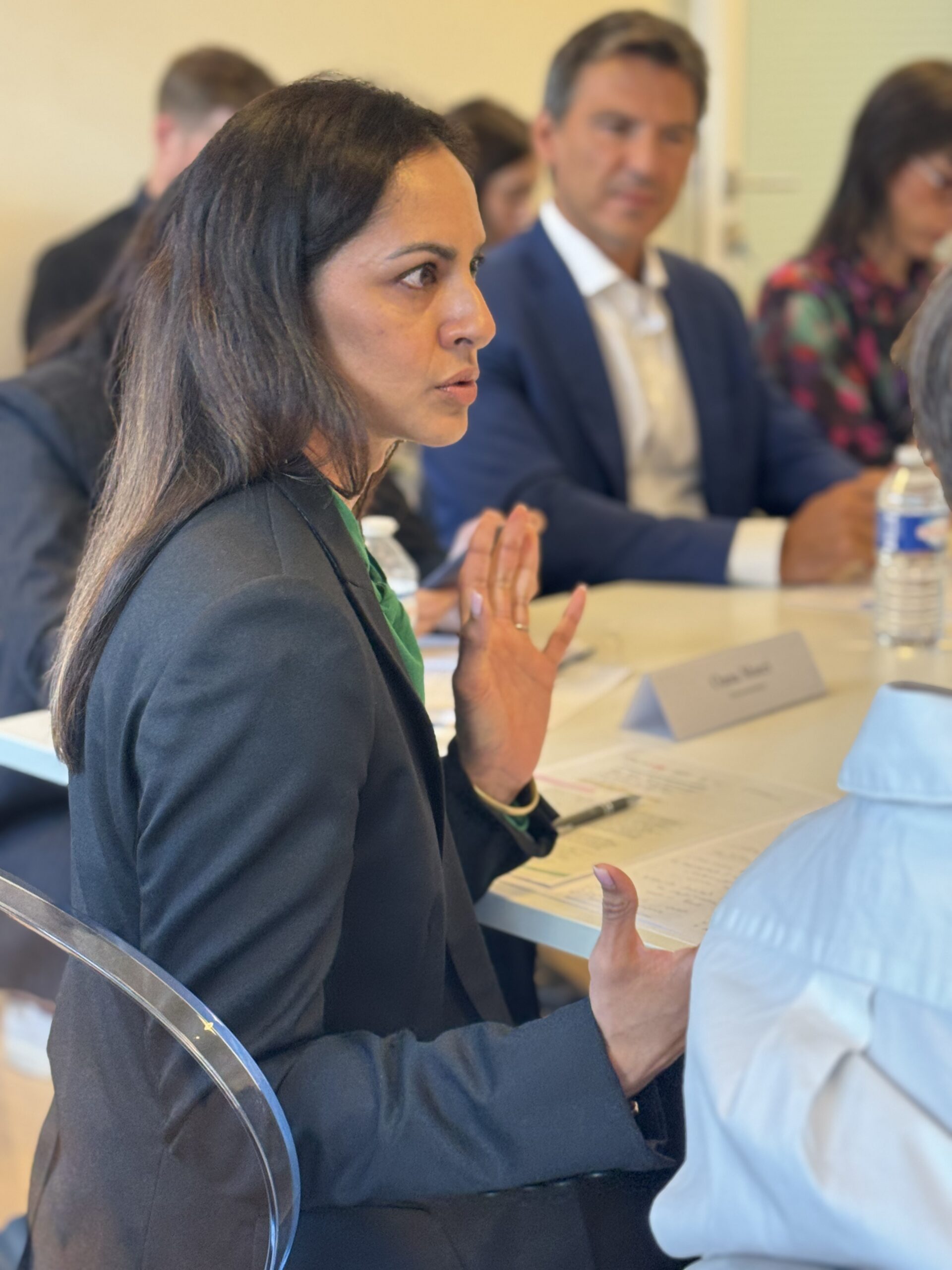
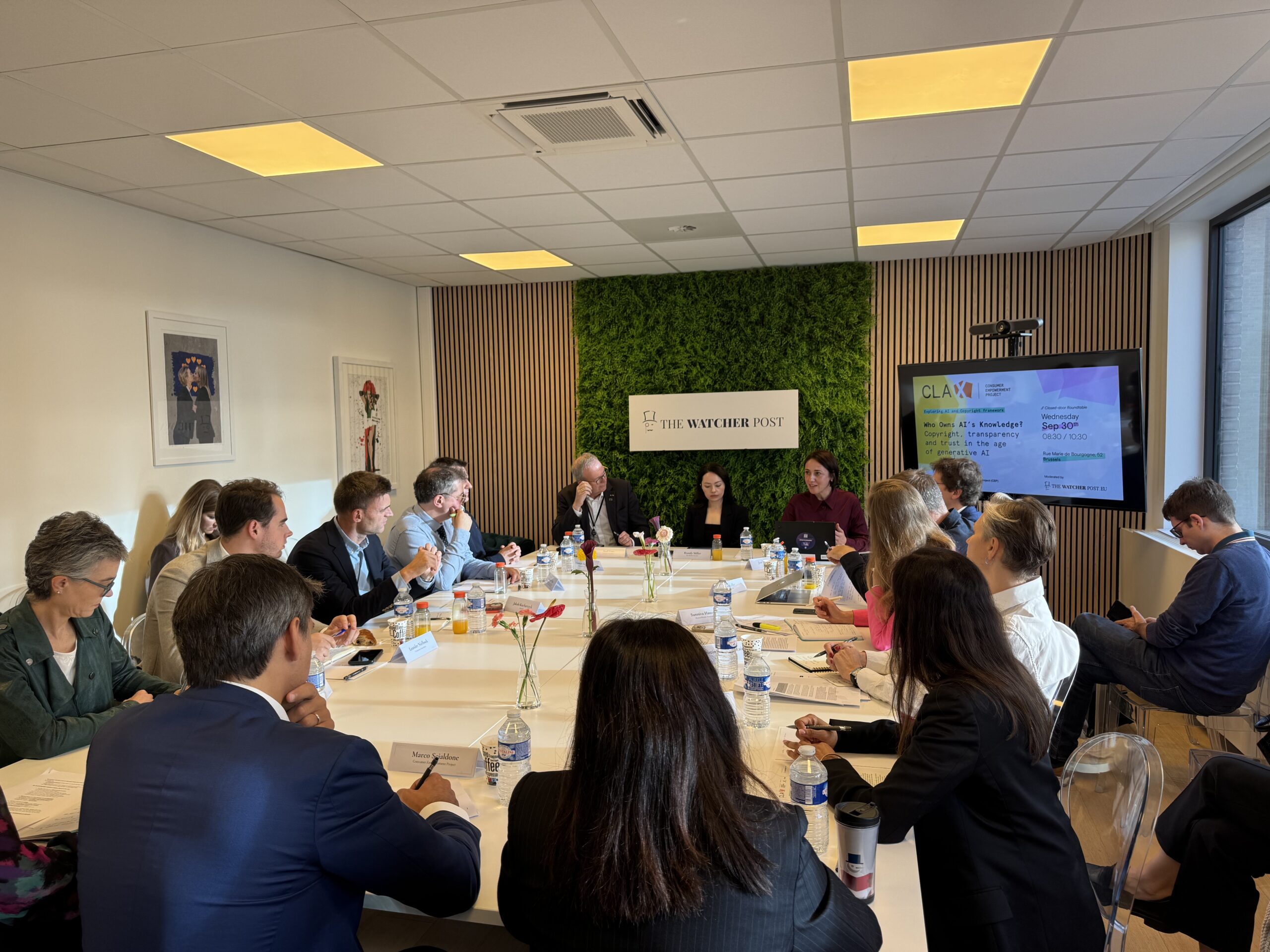
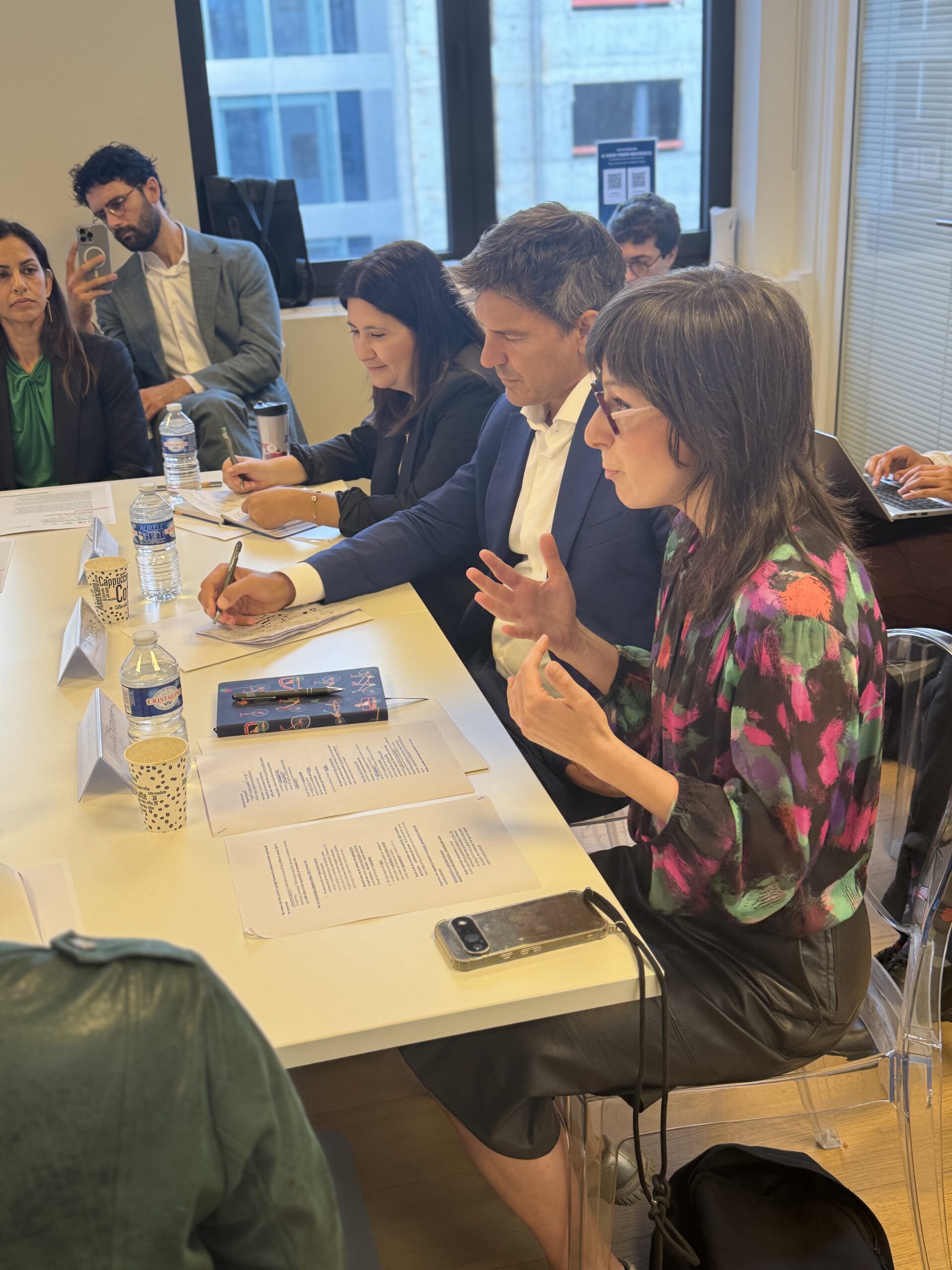
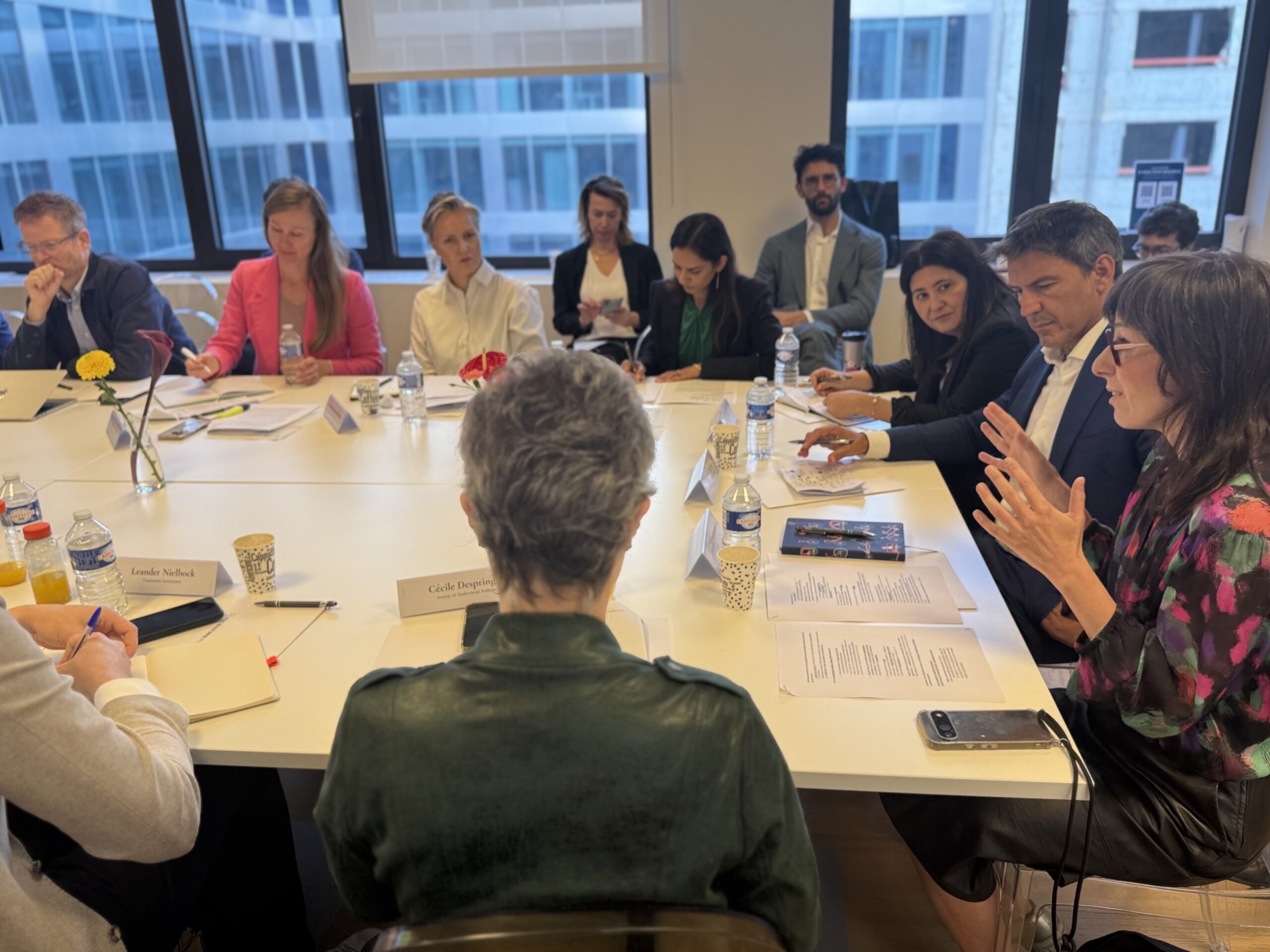
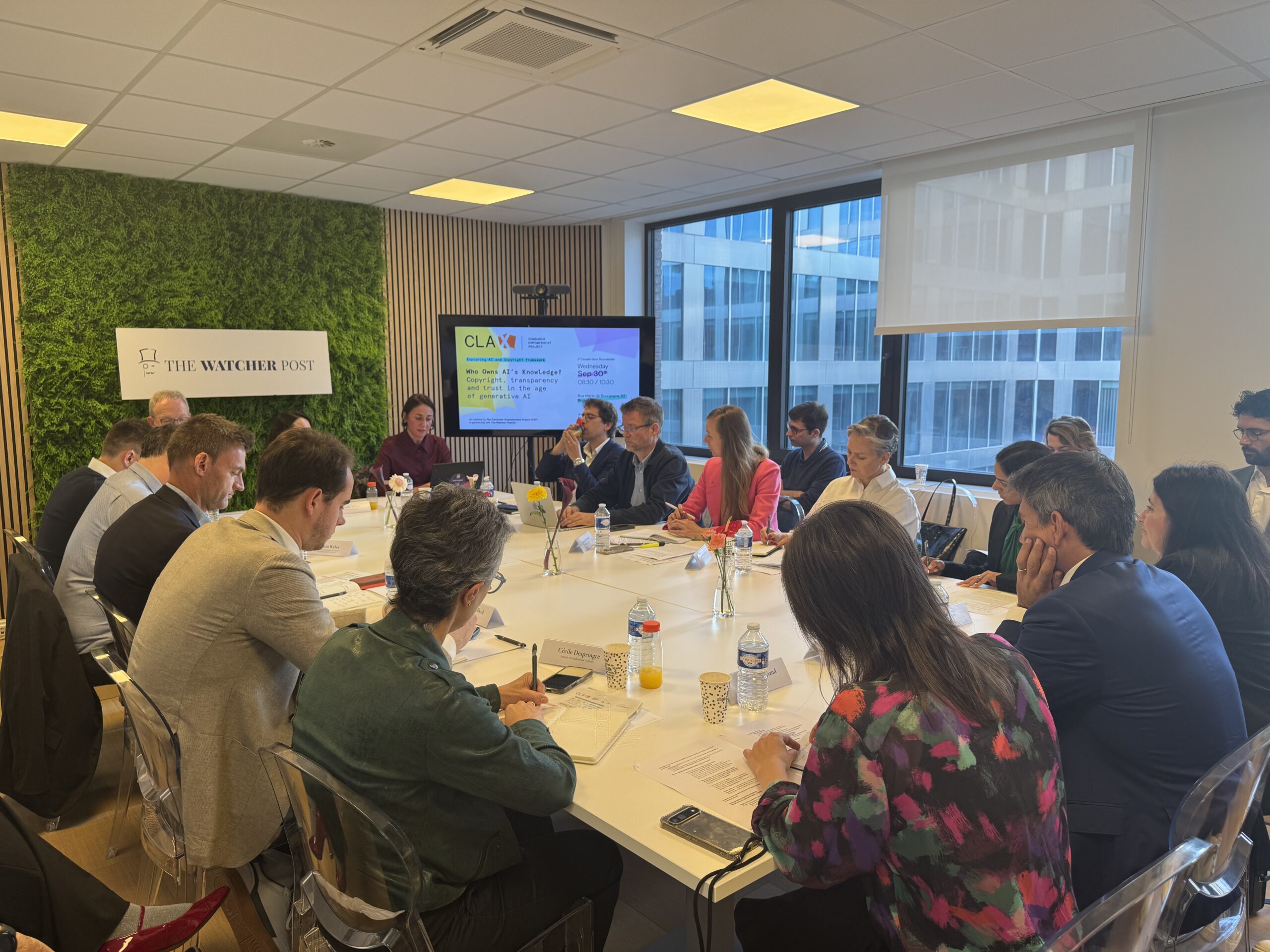
This CLAx roundtable will bring together policymakers, AI developers, right holders, publishers, open knowledge actors, civil society and consumer representatives to discuss how Europe can build a fair and trusted framework for AI and copyright.


Roundtable













Snapshots